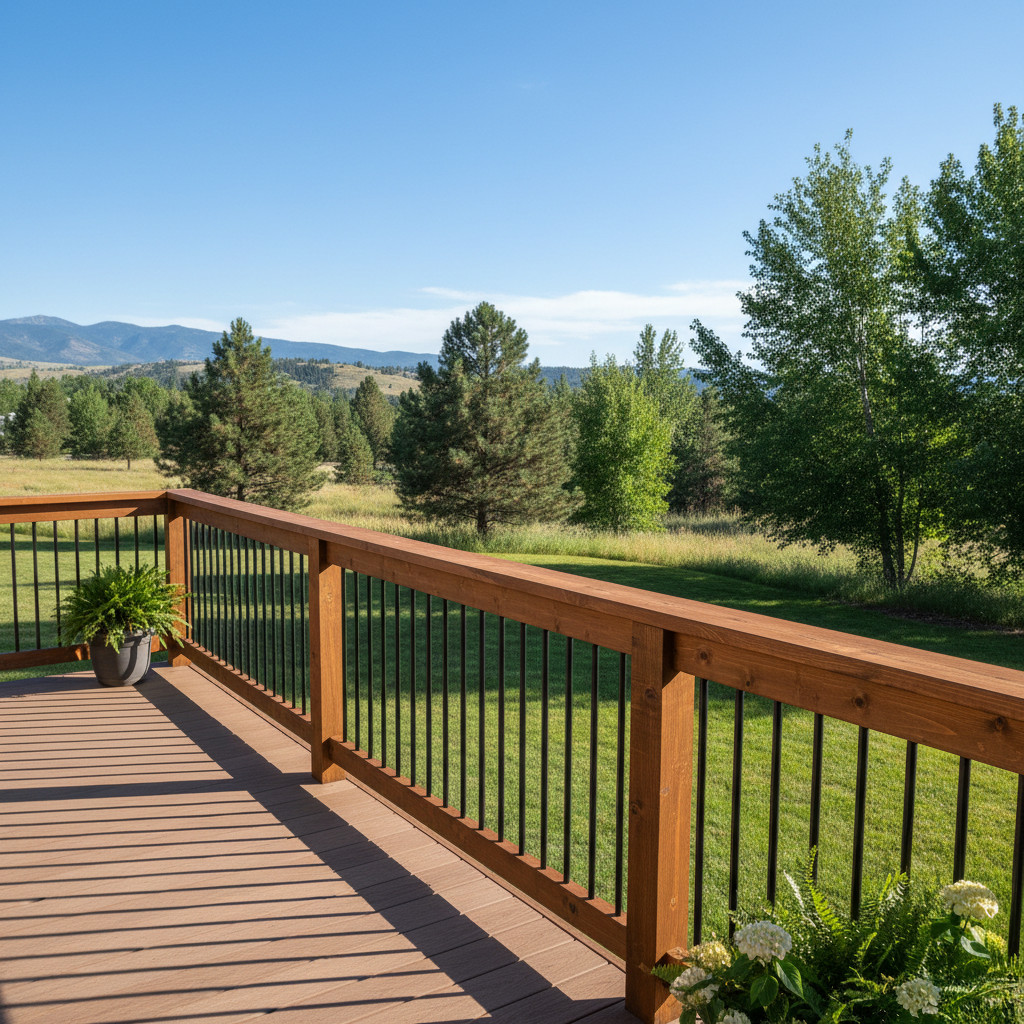
Your Deck Railings Need Some Love, Especially in Boise
So, you've got a great deck, maybe even one we built for you here at Boise Deck Creations. That railing isn't just there for looks, you know; it's a really important safety feature. And just like anything else exposed to our wild Idaho weather — from those scorching 100-degree summer days to the freezing, snowy winters — it needs a little attention to stay strong and safe. You wouldn't ignore your car's oil changes, right? Think of this as your railing's preventative maintenance plan.
Making Your Railing Last Longer
The best way to make sure your railing lasts is to start with good materials and a professional installation. But even the best-built railing needs ongoing care. For wood railings, that means proper sealing or staining. You'll want to reapply a good quality stain or sealant every 2-3 years. Sometimes you'll need to do it more often, especially if it gets direct, all-day sun exposure. This protects the wood from UV damage, moisture, and rot. As for composite or PVC railings, it's less about sealing and more about keeping them clean and checking their fasteners.
Metal railings, like aluminum or steel, are pretty tough, but they're not invincible. A good powder coat finish will last a long time, but scratches can happen. If you see any chips or scrapes that expose the bare metal, touch them up with a compatible paint to prevent rust. Even stainless steel can develop surface rust if you don't care for it, especially in spots where sprinkler systems constantly hit it with hard water.
What Regular Maintenance Looks Like
This isn't rocket science, but it does require a little consistency. I tell my clients to do a quick check-up twice a year: once in the spring after the snow melts, and again in the fall before winter really sets in.
- Clean It Up: For all railing types, a simple wash with mild soap and water is usually all you need. Use a soft brush or cloth. Avoid harsh chemicals or pressure washers; they can damage finishes or force water into places it shouldn't be.
- Tighten Fasteners: Go around and check every screw, bolt, or anchor. Our freeze-thaw cycles can cause materials to expand and contract, loosening hardware over time. A loose post? That's a dangerous post.
- Inspect for Damage: Look for cracks, splinters, rot, rust spots, or peeling paint/stain. Check for any wobbly sections. If you have glass panels, make sure they're secure and free of cracks.
- Clear Debris: Leaves, dirt, and other gunk can build up around posts and balusters, trapping moisture and leading to rot or corrosion. Keep those areas clear.
Seriously, this whole process probably takes less than an hour for most decks. It's a small investment of time for a big payoff in safety and longevity.
Warning Signs of Trouble
You don't need to be a deck expert to spot problems. Your gut will tell you something's off. Here are some red flags:
- Wobbling Posts or Railings: This is the big one. If you can shake a post or a section of railing more than an inch or two, you've got a problem. This often points to loose fasteners, rotted wood at the base of a post, or a failing connection point.
- Rotting Wood: Look for soft spots, discoloration, or areas where the wood looks spongy or crumbly. Pay close attention to post bases, baluster bottoms, and anywhere wood meets wood or concrete. Our soil here in the Treasure Valley, especially in older neighborhoods like the North End, can hold a lot of moisture, which is a prime environment for rot if posts aren't properly isolated from the ground.
- Significant Rust: While a little surface rust on a bolt head might be okay, large patches of rust on metal railings or structural components mean the protective coating has failed, and the material is degrading.
- Cracked or Broken Components: This includes balusters, handrails, or even deck boards near the railing.
- Missing Fasteners: If you see screws or bolts that have backed out or fallen off entirely, replace them immediately.
When to Call a Professional
Look, I'm a big believer in DIY when you're comfortable and capable. But some things are best left to the pros. If you spot any of those major warning signs, especially wobbling or significant rot, don't try to jury-rig a fix. Your family's safety is on the line.
You should call a professional like us if:
- You can't figure out why a railing is wobbly.
- You find extensive rot or damage that seems beyond a simple repair.
- You're unsure how to properly replace a structural component.
- The railing doesn't meet current building codes (especially if you bought an older home).
- You don't have the right tools or expertise to safely make the repair.
Sometimes, a small issue can turn into a big, expensive one if not addressed correctly and quickly. A professional can assess the situation, recommend the right fix, and ensure it's done safely and up to code. Don't wait until someone leans on a railing and it gives way. A little proactive care and knowing when to call for help will keep your deck safe and enjoyable for years to come.