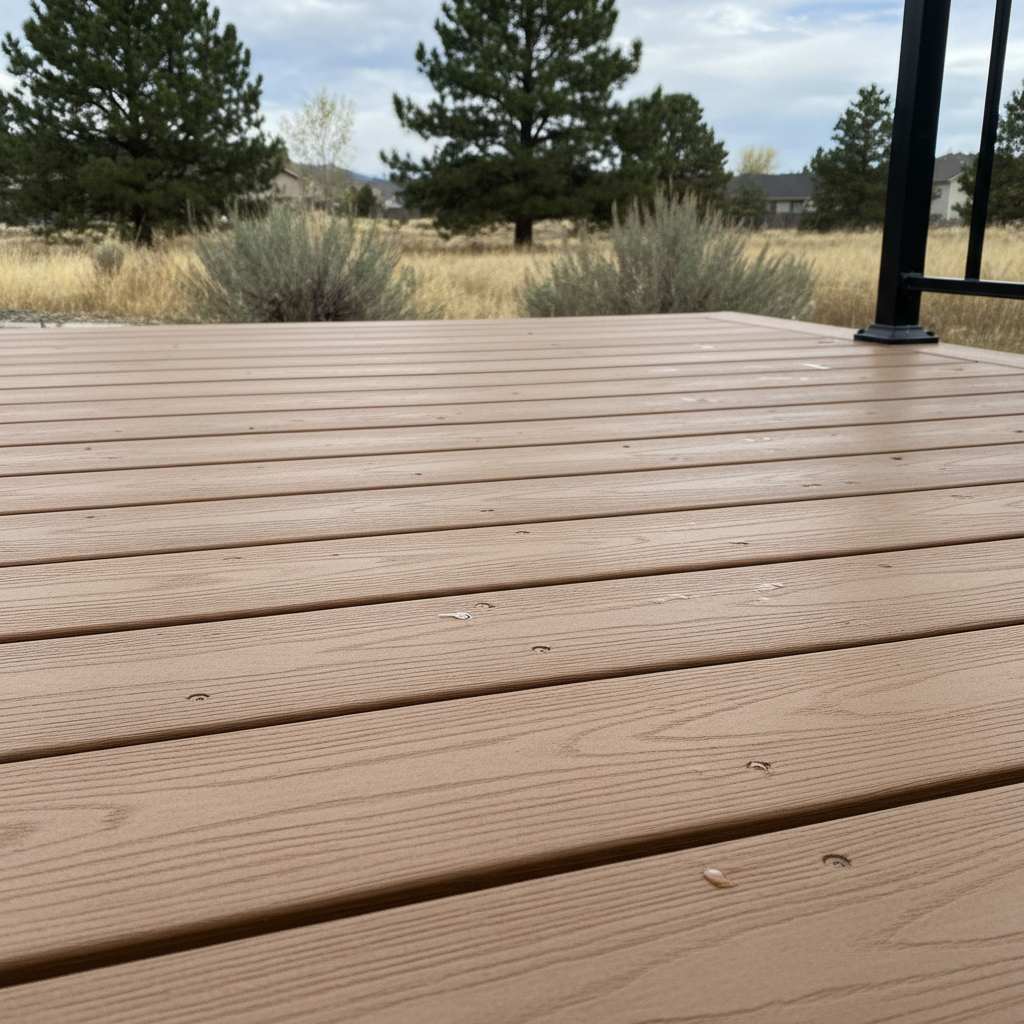
What exactly is Trex decking, and why should I care?
Alright, let's get down to it. Trex isn't just some fancy wood alternative; it's a composite decking material made from 95% recycled wood fibers and plastic film. Think of it as a super-tough, low-maintenance board that looks a lot like real wood without all the headaches. Here in Boise, with our hot summers and sometimes snowy winters, traditional wood decks can take a beating. They warp, crack, splinter, and need constant staining or sealing. Trex? Not so much. It’s engineered to stand up to the elements, so you spend more time enjoying your deck and less time working on it. That's why I recommend it to folks looking for durability and less upkeep.
How much does a Trex deck actually cost compared to wood?
This is usually the first question people ask, and it's a good one. Upfront, Trex decking generally costs more per linear foot than pressure-treated lumber. Sometimes it's 2-3 times more for the material alone, depending on the Trex line you choose (they've got different tiers, like Enhance, Select, and Transcend). But here's the thing: that's just the initial sticker price. When you factor in the long-term maintenance costs for a wood deck – annual cleaning, staining, sealing, and potential repairs every few years – Trex often comes out ahead over its lifespan. A wood deck might need thousands of dollars in upkeep over 10-15 years. Trex just needs a good cleaning now and then. So, while the initial investment is higher, you're buying peace of mind and saving money down the road. It's a trade-off, but for many, it's worth it.
Does Trex get hotter than wood in the Boise sun?
Yep, it can, especially the darker colors. This is a common concern, and it's legitimate. Composite materials, particularly those with darker pigments, absorb and retain heat more than natural wood. On a scorching 100-degree Boise summer day, a dark brown Trex deck can get pretty warm underfoot. You might not want to walk barefoot across it at high noon. However, Trex has been working on this. Their newer lines, especially the lighter colors, are designed to reflect more heat. If you're worried about heat, I always suggest going with a lighter shade. Also, consider the orientation of your deck and if you'll have any shade structures, like a pergola or an awning. It's not a deal-breaker for most, but it's definitely something to keep in mind when you're picking out colors.
What kind of maintenance does a Trex deck need?
This is where Trex really shines. Compared to wood, the maintenance is minimal. You won't be sanding, staining, or sealing your deck every year. For most homeowners, a simple cleaning with soap and water and a soft-bristle brush or a pressure washer (on a low setting, carefully!) is all it takes to keep it looking good. I usually tell folks to do a good scrub-down once or twice a year, maybe in the spring after the winter gunk and again in the fall. You'll want to clear off any debris, like leaves or pine needles, especially if they're sitting wet for long periods, as they can cause mildew. For tougher stains, Trex has specific cleaning products they recommend. It’s about 90% less work than a traditional wood deck, no exaggeration.
Can Trex handle our crazy Boise weather, from snow to sun?
Absolutely. That's one of its biggest selling points, especially for us here in the Treasure Valley. Trex is designed to resist fading, staining, scratching, and mold. Our hot, dry summers don't cause it to crack or splinter like wood. And when the snow hits, you don't have to worry about moisture absorption leading to rot or decay. You can shovel snow off it just like any other surface, though I'd recommend a plastic shovel to avoid scratching. The material is incredibly stable; it won't warp or buckle from temperature swings in the same way wood does. I've built Trex decks all over Boise, from the North End to Eagle, and they hold up beautifully year after year. It’s built for this kind of climate.
What about fading and scratching? Will it still look good in 5-10 years?
This is another area where Trex has made huge strides. Early composite decks sometimes had issues with fading, but modern Trex products, particularly their capped composite lines (like Transcend and Enhance), have a durable outer shell that's highly resistant to fading and staining. They also offer excellent scratch resistance. Now, it's not indestructible. If you drag heavy furniture across it or drop something sharp, you can still scratch it. But for everyday wear and tear, it holds up really well. Most Trex lines come with a 25-year limited residential warranty against material defects, fading, and staining, which tells you something about their confidence in the product. In my experience with Boise Deck Creations, decks we installed a decade ago still look fantastic with minimal effort from the homeowners.
Are there any downsides to Trex that I should know about?
Look, nothing's perfect, right? We've covered the higher upfront cost and the potential for it to get hot in direct sun. Another thing is that while it looks like wood, it doesn't feel exactly like wood. Some people prefer the natural give and texture of real timber. Also, if you do manage to scratch or damage a Trex board, it's harder to repair seamlessly than wood. You generally have to replace the whole board. And while it's low maintenance, it's not *no* maintenance; you still need to clean it. But honestly, for most homeowners, these downsides are minor compared to the benefits of durability, longevity, and not having to spend every spring staining your deck. It really boils down to what you prioritize for your outdoor living space.